Introduction
In the realm of culinary delights and contemporary kitchen gizmos, one might not instantly think of cream chargers as a significant ecological concern. Nevertheless, as we delve into the topic, it's important to comprehend both their utility and their environmental implications. Cream chargers, typically filled with nitrous oxide (N2O), are little canisters that whip cream quickly and effectively. They have actually ended up being staples in both professional kitchens and home cooking, thanks to their convenience and capability to develop light and fluffy textures. However at what expense? In this short article, we will https://israelnangsrpla947.lowescouponn.com/unlocking-the-magic-of-cream-chargers-a-novice-s-guide check out The Environmental Impact of Cream Chargers: What You Ought to Know, taking a look at whatever from production processes to disposal methods.
Understanding Cream Chargers
What Are Cream Chargers?
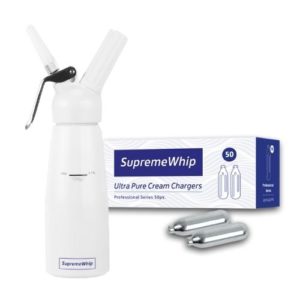
Cream chargers are metal canisters that contain nitrous oxide gas, commonly utilized in whipped cream dispensers. When the battery charger is punctured, the gas is launched into cream or other liquids, producing a whipped texture due to the quick growth of gas bubbles.

How Do Cream Chargers Work?
When you place a cream charger into a dispenser and press the lever, the nitrous oxide is released into the liquid. This gas liquifies under pressure and broadens when released, whipping air into the cream. This procedure results in a light, airy item best for toppings on desserts or beverages.

Types of Cream Chargers
There are various sizes available for cream chargers:
- 3.3 L: These bigger tanks are typically utilized in commercial settings. 0.95 L: More suited for family use, these smaller sized chargers supply benefit without compromising quality.
Popular Brands of Cream Chargers
Several brand names control the marketplace:
- NitrousWhip MOSA BestWhip Whip-it
Each brand has its distinct functions, however they all share the typical function of delivering high-quality whipped products.
The Chemistry Behind Nitrous Oxide
What Is Nitrous Oxide?
Nitrous oxide (N2O) is a colorless gas with a somewhat sweet smell. It's known for its use in anesthesia but has actually discovered its method into many cooking applications as well.
Is Nitrous Oxide Harmful?
While nitrous oxide is typically considered safe when used properly in culinary applications, it does pose some environmental threats due to its greenhouse gas properties.
The Environmental Effect of Cream Chargers: What You Should Know
Production Process Impacts
Manufacturing Cream Chargers
The production of cream chargers includes mining resources such as aluminum for containers and producing nitrous oxide itself. This procedure can result in significant carbon emissions.
Transportation Emissions
Once manufactured, these battery chargers require transportation to retail outlets worldwide. The logistics included contribute further to their general carbon footprint.
Disposal Concerns
Are Cream Charger Tanks Recyclable?
Many individuals question if they can recycle empty cream charger tanks. While aluminum itself is recyclable, not all recycling facilities accept these particular canisters due to prospective recurring gases.
Impact on Landfills
If dealt with incorrectly, these canisters end up in land fills where they might take years to decay and contribute to environmental pollution.
Alternatives to Conventional Cream Chargers
Reusable Whipped Cream Dispensers
Some brand names provide multiple-use dispensers that get rid of the requirement for single-use chargers by using pressure rather of gas cartridges.
Plant-Based Alternatives
Innovative companies are likewise checking out plant-based options that do not rely on nitrous oxide or single-use cartridges.
Consumer Duty in Using Cream Chargers
Best Practices for Usage and Disposal
Consumers play a vital role in reducing ecological impact by:
- Using only what's necessary Properly getting rid of or recycling empty canisters
Educating Others About Environmental Concerns
Spreading awareness about the ecological impacts associated with cream chargers encourages responsible intake amongst peers.
FAQs
1. What is a cream charger made of?
Answer: A cream charger usually includes aluminum or steel including nitrous oxide gas inside.
2. For how long do whipped products remain fresh?
Answer: Whipped products developed utilizing cream chargers normally remain fresh for 24 hr if stored properly in a cool environment.
3. Can I recycle my empty cream charger?
Answer: Numerous recycling centers accept aluminum but check local policies worrying particular guidelines for recycling cream chargers.
4. Exist any health dangers related to using nitrous oxide?
Answer: While normally safe when used appropriately in food preparation, misuse can lead to health risks such as lightheadedness or unconsciousness when breathed in directly from chargers.
5. Is it legal to utilize nitrous oxide recreationally?
Answer: In lots of locations, using nitrous oxide recreationally is unlawful due to prospective health threats and substance abuse issues; constantly check local laws before use.
6. What are some environment-friendly alternatives to standard cream chargers?
Answer: Some environment-friendly choices include reusable whipped cream dispensers or plant-based whipping agents that do not require gas cartridges.
Conclusion
As we've explored throughout this short article on The Environmental Effect of Cream Chargers: What You Should Know, it's clear that while these small devices bring pleasure through whipped creams and culinary thrills, they include their own set of environmental difficulties. Understanding their life process-- from production through disposal-- can assist customers make more educated options about their usage.
By opting for sustainable practices like correct disposal techniques or considering alternative items that lessen waste, we can all contribute towards a healthier world while still enjoying our preferred deals with topped with light whipped goodness!